bhumi king italy - A premium brand by Shree Thakur Agri Industries, engineered in the steel hub of Punjab

What is Sangaria Phalla? A Complete Guide for Farmers (2026)
Gurpreet Dhiman
3/17/20267 min read

Introduction to Sangaria Phalla
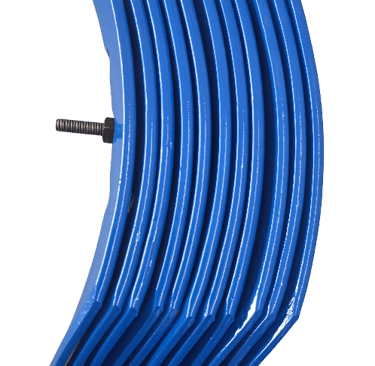
Sangaria Phalla, also known as cultivator phalla or tyne blade, is a vital tool in modern agriculture, primarily utilized for soil preparation. This equipment is designed to break up and aerate the soil, which promotes optimal conditions for planting crops. Its innovative design helps in reducing soil compaction, allowing for improved water infiltration and root development. Farmers seeking to enhance their productivity often turn to Sangaria Phalla for its efficiency and effectiveness in soil cultivation.
The construction of the Sangaria Phalla typically features a series of robust tines that penetrate the surface of the soil. These tines loosen the soil, creating a more friable texture that is conducive to seed germination. This heightened soil quality is essential for the healthy growth of various crops, making Sangaria Phalla indispensable for farmers focused on maximizing crop yields.
In addition to its primary function of soil cultivation, the Sangaria Phalla also plays a crucial role in preparing land for specific planting requirements. It can assist in the incorporation of organic matter and fertilizers into the soil, thus enhancing nutrient availability for plants. Farmers often employ this tool in both conventional and organic farming practices, highlighting its versatility across different agricultural systems.
Ultimately, the importance of Sangaria Phalla in agriculture cannot be understated. It not only aids in the physical preparation of land but also supports sustainable farming trends by promoting healthy soil ecosystems. As farmers continue to seek innovative solutions to enhance productivity and sustainability, tools like the Sangaria Phalla will remain central to effective agricultural practices.
The Importance of Soil Preparation in Agriculture
Soil preparation plays a crucial role in successful agriculture, significantly impacting crop yield, soil health, and overall farm productivity. The process involves a variety of practices, including tillage, plowing, and the incorporation of organic matter, all aimed at optimizing soil conditions for planting and growth. When done correctly, soil preparation creates a favorable environment for root development, nutrient uptake, and water retention, essential factors for healthy plant growth.
One of the primary benefits of thorough soil preparation is its effect on crop yield. Well-prepared soil promotes better aeration and drainage, reducing the risks of waterlogging and compaction that can hinder root development. Furthermore, by breaking up compacted soil layers, farmers can enhance the accessibility of nutrients, allowing crops to thrive and produce higher yields. This is especially important for farmers looking to maximize the output of their fields.
Additionally, soil health is greatly influenced by preparation practices. Proper soil management can lead to increased biodiversity, as it creates a hospitable environment for beneficial microorganisms and earthworms. These organisms contribute to the decomposition of organic matter and the release of nutrients, contributing significantly to soil fertility. Furthermore, well-prepared soil fosters a balanced pH level, essential for optimal crop growth.
The productivity of a farm also correlates with the quality of soil preparation. Investing time and resources into preparing the soil not only sets a solid foundation for the current crop cycle but can also improve the land's sustainability for future agricultural endeavors. As factors such as climate and market demands shift, adaptable farming tools like Sangaria Phalla become even more vital, enhancing the efficiency and effectiveness of soil preparation methods.
How Sangaria Phalla Works
The Sangaria Phalla is an innovative agricultural tool specifically designed to enhance soil management and preparation. Its primary function is to aid farmers in breaking hard soil, thereby facilitating better aeration and fostering optimal conditions for crop sowing. The mechanism of the Sangaria Phalla incorporates a series of sharp tines or blades that penetrate the top layer of compacted soil. As these tines are pulled through the ground, they create fractures in the soil structure, which is crucial for improving water retention and drainage.
This tool works most efficiently when used in conjunction with a cultivator. The cultivator loosens the soil initially, while the Sangaria Phalla further refines the tilth by breaking down larger soil clumps into finer particles. The combined action of both implements not only prepares the land for sowing but also ensures that the nutrients within the soil are accessible to the crops, leading to healthier growth outcomes.
The operating principles of the Sangaria Phalla are rooted in traditional agricultural practices, but the design has been modernized for ease of use and effectiveness. Farmers typically attach the Phalla to a tractor or a manual implement, allowing for flexibility in usage depending on the scale of land preparation needed. The ergonomic design minimizes the physical strain on the operator while maximizing the efficiency of soil breaking and aeration.
Overall, the functionality of Sangaria Phalla lies in its ability to transform hard, unyielding soil into a more hospitable environment for planting. By embracing its use, farmers can ensure a more productive agricultural cycle and significantly improve their yield outcomes. Ultimately, the Sangaria Phalla represents a vital tool in the modern agricultural toolkit, supporting farmers in their quest for sustainable farming practices.
Types of Sangaria Phalla Available in the Market
Sangaria Phalla, an essential tool for farmers, comes in a variety of types that cater to different agricultural needs and preferences. The selection of the appropriate Sangaria Phalla can significantly influence farming efficiency and productivity. Understanding the types available is crucial for making an informed decision.
One of the primary categorizations of Sangaria Phalla is based on size. Typically, they are available in small, medium, and large dimensions, with each size designed for specific tasks. Smaller phallas are ideal for precision work in confined areas, whereas larger ones are better suited for extensive fields, allowing for quicker soil turnover.
The materials used in the construction of Sangaria Phalla also vary greatly. Commonly, they are made of steel, aluminum, or reinforced plastic. Steel offerings tend to be robust and durable, making them ideal for tough soil conditions. Aluminum phallas are lighter and easier to handle but may not withstand severe wear and tear as effectively as their steel counterparts. Reinforced plastic models offer a balance, being resistant to corrosion while still being lightweight and functional.
Each type of Sangaria Phalla comes with its advantages and disadvantages. For instance, steel phallas can maintain an edge during prolonged use but may require more maintenance due to their susceptibility to rust. In contrast, aluminum options might not demand intense maintenance but could compromise performance under challenging soil conditions. Farmers must weigh these factors in the context of their specific agricultural practices and soil types.
Ultimately, the selection of the right type of Sangaria Phalla hinges on the balance between size, material durability, and intended use. By assessing these variables, farmers can optimize their choice for increased agricultural productivity.
Step-by-Step Guide to Using Sangaria Phalla
Utilizing Sangaria Phalla for soil preparation can significantly enhance the quality and productivity of agricultural practices. This guide will discuss the effective steps and best practices for farmers aiming to use Sangaria Phalla efficiently.
First, prior to application, conduct a thorough assessment of your soil type. Sangaria Phalla is tailored to improve various soil conditions, but its efficacy is maximized when matched with the specific characteristics of your soil. Test the soil pH and nutrient levels, as this information will inform how much Sangaria Phalla you should use.
Next, prepare the land by removing any debris, weeds, or previous crop residues. A clean work area is essential for the optimal performance of Sangaria Phalla. Following this, apply the product evenly across the field. It is advisable to dose Sangaria Phalla based on the results from the soil analysis. Generally, the recommended application rate is between 100 to 300 kilograms per hectare, depending on soil deficiency levels.
Integrate the Sangaria Phalla into the soil using a rotavator or plowing method. Proper incorporation is crucial to ensure that the product effectively interacts with the soil. After application, monitor the land for moisture levels. Adequate moisture will facilitate the activation of the organic compounds within Sangaria Phalla.
Avoid common mistakes such as under or over-application, which can lead to ineffective soil enhancements or nutrient imbalances. Additionally, do not neglect to check for compatibility with other fertilizers or amendments you plan to use, as this could affect overall soil health.
Lastly, maintain a regular schedule for soil monitoring even after applying Sangaria Phalla. Assessing soil health periodically helps in making informed decisions for future plantings and soil amendments, ensuring sustainable agricultural productivity. Implementing these practices will improve your experience with Sangaria Phalla and its benefits for your farming operations.
Maintenance and Care of Sangaria Phalla
The Sangaria Phalla is an essential tool for farmers, playing a crucial role in various cultivation activities. To ensure its longevity and efficiency, diligent maintenance and care are imperative. Regular cleaning is foundational; after each usage, practitioners should remove any soil or debris that may have accumulated on the tool. This can be effectively achieved by using a brush or cloth, investing a few minutes in this practice can significantly reduce wear over time.
Storage also plays a pivotal role in preserving the quality of the Sangaria Phalla. Post-cleaning, it is best to store the tool in a dry and sheltered environment. Exposure to extreme temperatures or moisture can lead to rusting of metal components or degradation of wooden parts, if applicable. Farmers should consider using protective covers or storing the tool in a dedicated container that minimizes exposure to elements that could compromise its structural integrity.
Periodic checks are another crucial aspect of maintaining the Sangaria Phalla. Every few months, farmers should inspect the tool for any signs of wear, such as nicks on the cutting edges or loosening handles. Addressing minor repairs early, such as sharpening blades or tightening screws, can prevent more severe issues down the line. Additionally, it's advisable to lightly oil moving parts to keep them functioning smoothly. This practice not only enhances the efficiency of the tool but also extends its lifespan, which is beneficial for ongoing farming operations.
By prioritizing these maintenance tasks—cleaning after use, proper storage, and regular inspections—farmers can ensure that their Sangaria Phalla remains a reliable asset. Such diligence contributes to overall productivity and efficiency in agricultural practices, underscoring the importance of proper tool care in farming operations.
Conclusion and Final Thoughts
In reviewing the advantages of Sangaria Phalla, it is evident that this tool is instrumental in enhancing farming practices. The ergonomic design and functionality of Sangaria Phalla help farmers carry out their daily tasks more efficiently, increasing overall productivity. By utilizing this tool, farmers can expect improvements in their yield quality and operational efficiency, which are essential in today's competitive agricultural landscape.
Moreover, Sangaria Phalla offers a range of versatility that allows it to be used across various types of farming activities. This adaptability can be particularly beneficial for farmers looking to optimize their resource allocation. Investing in tools like Sangaria Phalla not only promises better results but also contributes to sustainable farming practices by reducing labor intensity and minimizing physical strain.
Farmers are encouraged to embrace advancements such as Sangaria Phalla as part of their agricultural toolkit. Staying informed about innovative tools and practices is crucial in maximizing productivity and ensuring sustainable growth in farming operations. As the agricultural sector evolves, so should the methods and implements that farmers utilize.
Thus, it is vital for farmers to stay updated on the latest agricultural developments. Participating in training programs and engaging with agricultural communities can provide farmers with insights into the effectiveness of tools like Sangaria Phalla. In conclusion, the benefits of Sangaria Phalla extend beyond mere convenience; they embody a progressive approach towards modern farming, ensuring that farmers are well-equipped to meet the challenges of the future.


Contact
Reach out for expert support anytime
Phone
bhumikingitaly@gmail.com
+91-9216058340
© 2025. All rights reserved.
info@shreethakuragri.in
Designed and developed by